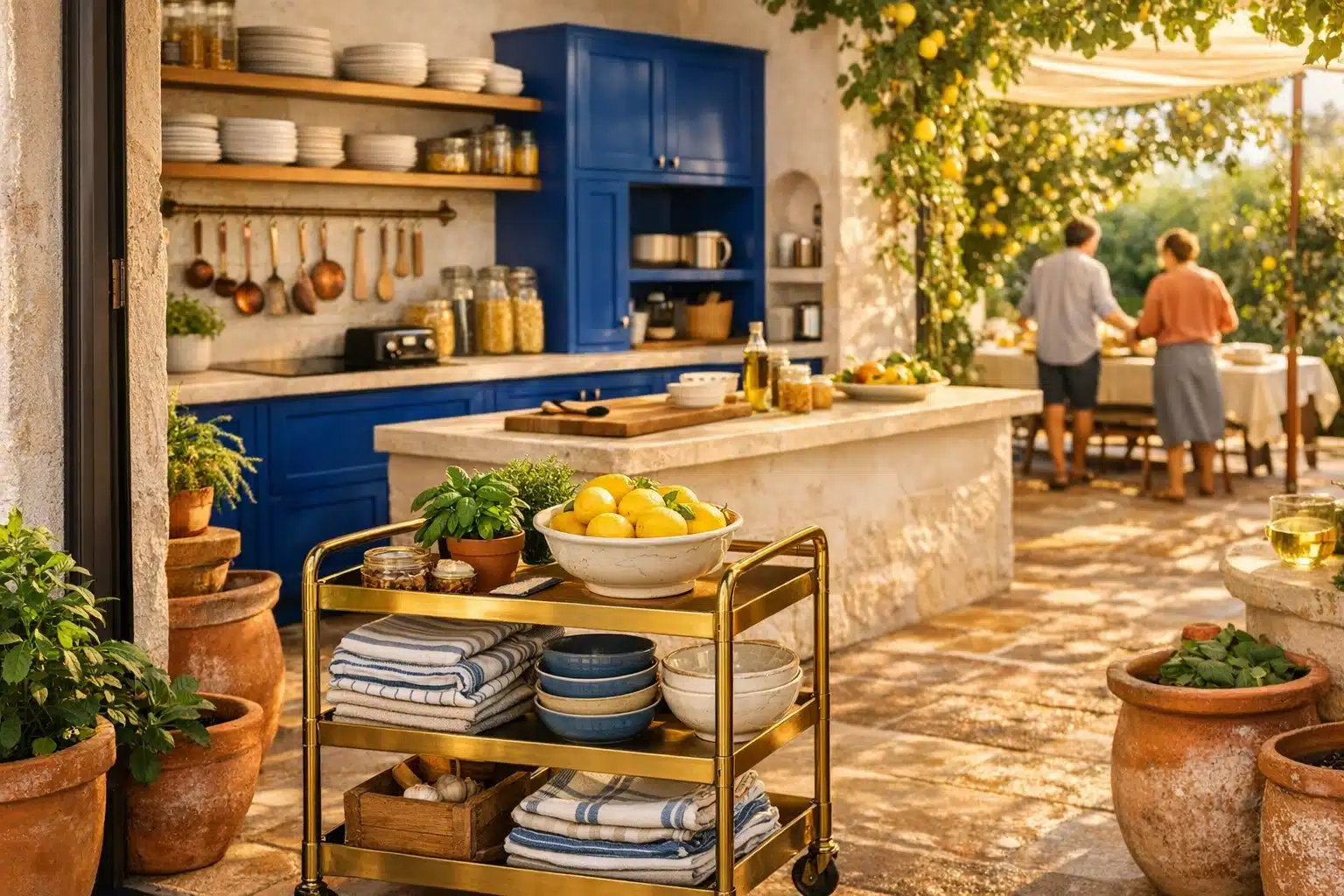
Kitchen Organization Ideas: Smart Storage Solutions and Makeover Tips
Outline: A Practical Roadmap for a Better Kitchen
Before baskets, labels, paint colors, or new cabinet handles come into the picture, a good kitchen project needs a simple outline. That outline keeps you from buying containers that do not fit, copying a layout that does not match your routine, or spending money on cosmetic changes while the daily frustrations remain untouched. In most homes, the kitchen is not just a room for cooking. It is a prep station, coffee bar, homework corner, snack hub, and sometimes a full family crossroads. Because it serves many roles, improvement works best when it follows a sequence rather than a shopping spree.
The most useful approach is to start with observation. Notice where clutter gathers, which cabinets feel awkward, and what you reach for several times a day. A drawer packed with mismatched utensils tells a different story than a pantry shelf full of half-used dry goods. One points to poor sorting, while the other points to poor visibility. Once you understand the problem, the solution becomes clearer and usually cheaper. A homeowner may need pull-out shelves, while a renter may get excellent results from stackable bins, adhesive hooks, and better zoning.
Here is the outline this article follows: • first, identify how your kitchen is used every day and create work zones around cooking, prep, cleaning, and storage; • second, choose organization ideas that reduce decision fatigue and keep essentials within easy reach; • third, apply storage solutions that suit your space, especially if you have deep cabinets, a narrow pantry, or limited counter area; • fourth, consider makeover ideas that improve both appearance and function, from paint and lighting to hardware and layout adjustments; • fifth, finish with a realistic action plan based on your budget, your household size, and the age of your kitchen.
That sequence matters because kitchens improve fastest when function leads and style follows closely behind. Think of it like setting a stage before a performance. If the actors know where to stand and every prop has a place, the scene flows. If not, even a beautiful backdrop cannot save the moment. By the end of this article, you will have a framework that helps you decide what to edit, what to store, what to display, and what to change so the room works with your habits instead of against them.
Kitchen Organization Ideas That Make Daily Cooking Easier
The strongest kitchen organization ideas begin with zones, because people do not use every part of the room in the same way. A practical kitchen usually includes a prep zone near knives, cutting boards, and mixing bowls; a cooking zone around the stove with oils, spices, and heat-safe utensils; a cleaning zone near the sink and dishwasher; and a food storage zone for pantry goods and leftovers. When items are stored close to where they are used, movement becomes shorter and the room feels more intuitive. That may sound obvious, but many kitchens hide pots across the room from the range or store lunch containers far from the refrigerator, which creates small inefficiencies that add up every day.
One of the best organization upgrades is to move frequently used items into the easiest reach area, generally between knee and shoulder height. Less-used serving pieces, holiday platters, and specialty tools can go higher or lower. This is not only convenient; it is also safer. Lifting a heavy Dutch oven down from an overhead shelf is harder than sliding it from a lower drawer. In fact, many designers and professional organizers prefer deep drawers over lower cabinets for cookware because drawers provide better visibility and reduce the need to crouch and dig.
Countertops deserve special attention. Clear counters do not mean empty counters; they mean intentional counters. A coffee station, toaster area, or fruit bowl can stay out if it supports the way you live. The goal is to remove visual noise, not personality. A few smart rules help: • keep only daily-use appliances on display; • group similar items on a tray so they read as one visual unit; • avoid storing paper, keys, and mail in the cooking zone; • give every loose item a landing place before it turns into background clutter.
Drawer dividers, pantry labels, and matching containers often get credit for an organized look, and they are useful, but they work best after editing. If you organize too soon, you simply create tidy clutter. Start by removing duplicates, broken tools, expired ingredients, and items you never use. Then build systems that are easy to maintain. Open bins for snacks may work better for children than lidded canisters. Clear containers can help adults see stock levels quickly, while opaque baskets can soften a visually busy open shelf. The right choice depends on whether your bigger challenge is appearance, access, or inventory control.
Good organization should also support everyone who uses the kitchen, not just the person setting it up. If other family members cannot find foil, measuring spoons, or lunch supplies, the system is too personal and too fragile. Labels, broad categories, and consistent zones make the room easier for everyone. When the structure is clear, the kitchen starts to feel less like a puzzle and more like a well-rehearsed rhythm.
Kitchen Storage Solutions for Small, Busy, and Awkward Spaces
Storage is where many kitchens either shine or struggle. A room can look stylish in photos and still be frustrating in real life if the shelves are too deep, the corners are wasted, or the drawers are too shallow for what the household actually owns. The best kitchen storage solutions do not just create more space; they create usable space. That distinction matters. A towering top shelf may technically hold more, but if you need a step stool every time you reach for a blender, that storage is not really serving you.
For base cabinets, roll-out trays are among the most effective upgrades. They bring items forward so you can see what is stored in the back, which helps reduce forgotten food and duplicate purchases. Deep drawers are similarly valuable for pots, pans, mixing bowls, and even dishes. Compared with standard lower cabinets, drawers usually offer better access and less strain on the knees and back. In narrow kitchens, this matters even more, because shorter search time means less congestion while cooking. Many kitchen design guidelines also recommend around 42 inches of aisle width for one cook and about 48 inches for two cooks, so anything that improves access without forcing extra movement helps the layout function better.
Wall space is another underused asset. A rail with hooks can hold utensils, mugs, or small pans. Magnetic strips keep knives off the counter and free up drawer room. Pegboards, once associated with workshops, are increasingly popular in kitchens because they are flexible, inexpensive, and visually light. If your cabinets are full but your walls are bare, vertical storage may solve more than another bin ever will.
Pantries benefit from visibility and containment. Clear bins work well for snack groups, baking supplies, and breakfast items. Shelf risers help shorter jars and cans remain visible instead of disappearing behind taller containers. Turntables are especially useful for oils, condiments, and sauces because they make corners accessible. For deep shelves, a bin with a handle can act like a drawer. Under the sink, use narrow caddies or tiered shelves rather than tossing items into one open cavity. That area often stores cleaning supplies, extra sponges, trash bags, and dishwasher tablets, so dividing it into categories saves both time and frustration.
Different homes need different solutions. Renters may lean on freestanding carts, over-the-door racks, and tension shelves because they avoid permanent installation. Homeowners can consider cabinet inserts, toe-kick drawers, appliance garages, or custom pantry systems for a more integrated result. Open shelving can make a small kitchen feel airy, but it requires disciplined editing and frequent dusting. Closed cabinets hide visual clutter better, though they can encourage forgotten items. A smart compromise is to keep one or two shelves open for everyday pieces and let enclosed storage handle the less attractive essentials. In storage, flexibility often beats perfection.
Kitchen Makeover Ideas: From Weekend Refreshes to High-Impact Upgrades
A kitchen makeover does not have to begin with demolition. In many homes, the biggest gains come from changes that improve light, color, and usability without moving plumbing or replacing every cabinet. Paint is one of the classic examples. Cabinets painted in warm white, muted green, navy, or soft gray can shift the mood of the room dramatically, especially when paired with new hardware. Replacing outdated handles with simple brass, black, or stainless options is a relatively small update, yet it changes the visual language of the kitchen in a very immediate way.
Lighting is another upgrade that often punches above its cost. A single harsh ceiling fixture can flatten the room and make prep work harder. Layered lighting works better: ambient light for the whole room, task lighting under cabinets for countertops, and accent lighting for shelves or glass-front cabinets if desired. Under-cabinet LED strips are popular because they improve visibility and can make the kitchen feel cleaner and more polished. This is not just about atmosphere. Better light supports safer cutting, easier cleaning, and a more accurate view of ingredients while cooking.
Backsplashes and countertops also have strong visual impact, but they come with different cost levels. Peel-and-stick backsplash panels can provide a quick renter-friendly refresh, while ceramic tile offers greater durability and a custom look. Laminate counters have improved a great deal in recent years and can mimic stone at a lower price, while quartz remains popular for its durability and low maintenance. Natural stone has character and beauty, though it can require more sealing and care. The right choice depends on how heavily the kitchen is used, how long you plan to stay in the home, and whether you prioritize resilience, appearance, or upfront affordability.
Makeovers work best when they solve visual and functional issues together. For example: • replacing a bulky microwave on the counter with a shelf or built-in option can free prep space; • swapping solid cabinet doors for a few glass panels can lighten the look of a dark kitchen; • adding a slim island or cart can increase work surface and storage in one move; • repainting walls and ceiling in brighter tones can make a small room feel less boxed in. Even textiles matter. A washable runner, coordinated stools, or wood accents can add warmth and make the room feel more finished.
Still, not every trend deserves a place in every kitchen. Open shelving can look graceful but demands consistent styling. All-white spaces can feel crisp, though they may show wear more quickly in busy households. Bold cabinet colors can create personality, but they work best when balanced with neutral surfaces. The smartest makeover is not the one that looks best for a week. It is the one that still feels practical on an ordinary Tuesday when someone is packing lunches, unloading groceries, and trying to find the cinnamon in a hurry.
Conclusion: Choosing the Right Plan for Your Kitchen and Your Life
If you are standing in a kitchen that feels crowded, awkward, or simply tired, the most helpful next step is not to copy someone else’s room down to the last basket. It is to build a plan around your own habits. A parent packing lunches at 6:30 a.m. needs fast access to containers, snacks, and water bottles. A serious home cook may care more about knife placement, prep space, and spice storage. A renter may need portable solutions that leave walls untouched, while a homeowner planning to stay for years may benefit from pull-out cabinetry, upgraded lighting, or a new layout. The best kitchen is not a showroom. It is a room that understands your routine.
That is why the smartest order of operations is simple: edit first, organize second, store third, and make over last. When you remove what no longer serves you, the kitchen reveals what it actually needs. Sometimes that need is modest, like drawer dividers, pantry bins, and better labels. Sometimes it is structural, like wider drawers, improved task lighting, or more efficient cabinetry. Either way, the decision becomes more grounded. You stop buying random fixes and start making targeted improvements.
For most readers, a phased approach is the most realistic. In the first phase, clear expired food, duplicates, and broken tools. In the second, establish zones and relocate daily essentials. In the third, invest in solutions that solve specific pain points, such as turntables for condiments, shelf risers for cans, or pull-outs for deep cabinets. In the fourth, consider visual upgrades that add pleasure as well as polish, including paint, hardware, lighting, or a new backsplash. This gradual sequence spreads out cost and lets you test what really works before you commit to larger changes.
There is also value in accepting that no kitchen stays perfectly arranged forever. Real life leaves fingerprints, spills flour, drops grocery bags on the counter, and rearranges priorities. A useful kitchen is not one that remains untouched. It is one that resets easily because the systems make sense. When every zone has a purpose and every item has a logical home, cleanup becomes simpler and cooking becomes more inviting.
For busy households, small-space dwellers, enthusiastic home cooks, and anyone tired of opening one more chaotic drawer, the message is encouraging: you do not need a massive renovation to get meaningful results. Start with observation, choose storage that earns its footprint, and make design choices that support your daily rhythm. A better kitchen is usually built through many smart decisions, each one making the room a little calmer, clearer, and easier to use.