Cozy Home Decorating Ideas and Wall Decor Inspiration
Introduction
A well-decorated home does more than look attractive; it shapes how people rest, focus, host friends, and move through daily routines. As more homes serve multiple roles such as office, retreat, and gathering space, decorating choices have become closely tied to comfort and function. The most successful rooms usually blend personality with practicality, using color, light, texture, and wall styling to create an atmosphere that feels both polished and welcoming.
Outline: A Practical Roadmap for Decorating a Cozy, Personal Home
Before choosing cushions, frames, or paint colors, it helps to understand the larger structure of a successful decorating plan. Many rooms feel unfinished not because the furniture is expensive or inexpensive, but because the decisions were made in isolation. A lamp was bought without considering scale, art was hung without thinking about sightlines, and storage was added without respect for visual rhythm. This article begins with a simple outline because a clear sequence saves money, reduces impulse purchases, and makes every later detail feel more coherent.
The decorating process usually works best when it follows a logical order. First, decide how a room needs to function. A family living room used for movie nights and homework calls for different choices than a formal sitting area used twice a year. Next, establish the mood. Some people want airy and bright surroundings, while others prefer layered warmth with deeper colors and softer light. After that, build the foundation through layout, color, and major furniture pieces. Only then should smaller decorative elements begin to enter the picture.
A reliable outline often looks like this:
• define the room’s daily purpose
• identify a mood and color direction
• place large furniture for comfort and circulation
• add lighting that serves both task and ambiance needs
• use wall decor to create height, identity, and focus
• finish with texture, greenery, and personal accents
This order matters because broad decisions affect every smaller one. For example, a narrow room may benefit more from a mirror and slim shelving than from oversized framed prints. A dim bedroom may need warm layered lighting before it needs another decorative object. In the same way, a minimalist home can still feel cozy when texture and lighting are handled well, while a more traditional interior can feel heavy if every surface competes for attention.
Think of decorating as setting a stage for ordinary life. The sofa is where conversations settle in. The wall above a console can either sit silent or tell a story through art, books, and memory. Even a hallway can move from neglected passage to gentle welcome with the addition of a runner, a sconce, and one carefully chosen print. A good plan turns scattered ideas into a home that feels intentional from the moment someone walks through the door.
Home Decorating Ideas That Create a Strong Foundation
The strongest decorating ideas are not the flashiest ones. They are the choices that quietly improve how a room feels and functions every day. A solid foundation begins with proportion, circulation, and color balance. If those three elements work together, even modest furnishings can look refined. If they clash, the room may feel awkward no matter how many decorative pieces are added later.
Start with layout. A common mistake is pushing every item against the wall in an effort to make a space look larger. In reality, floating a sofa slightly away from the wall or grouping chairs around a rug can create a more intimate arrangement. Interior designers often suggest leaving comfortable walking paths, usually around 30 to 36 inches where possible, so movement feels easy rather than cramped. In living areas, rugs also matter more than many people expect. A rug that is too small can make furniture look disconnected, while one large enough to anchor at least the front legs of seating creates unity.
Color is the next major layer. The popular 60-30-10 rule remains useful because it encourages balance: roughly 60 percent of a room carries the dominant tone, 30 percent supports it, and 10 percent introduces contrast. This does not mean every space must be formulaic, but it helps prevent visual chaos. For cozy interiors, warm neutrals such as oat, clay, mushroom, soft olive, and muted terracotta often feel more inviting than stark white and icy gray. On the other hand, brighter palettes can feel energetic and fresh when softened with natural wood, woven fibers, or linen.
There is also an important comparison between decorating for appearance and decorating for use. A room styled only for photos may look neat but live poorly. A room designed with real habits in mind often performs better over time. Consider these practical choices:
• closed storage for items used daily
• side tables within reach of seating
• layered textiles that can be washed
• durable finishes in busy zones
Finally, bring in elements that create depth rather than clutter. Books, baskets, plants, ceramics, and textiles work well because they add shape and material contrast. A home starts to feel settled when smooth surfaces meet rough ones, when light wood stands beside matte metal, and when a quiet palette is interrupted by one memorable accent. That balance between order and softness is where many of the best decorating ideas begin.
Wall Decor Inspiration That Adds Character Without Overwhelming the Room
Walls often determine whether a home feels complete or temporary. Even beautifully furnished rooms can seem unfinished when vertical surfaces are ignored. At the same time, filling every blank area with frames or shelves can create noise instead of interest. Good wall decor works like punctuation in a sentence: it adds emphasis, pace, and meaning without distracting from the whole.
Art remains one of the most flexible tools for shaping a room’s personality. A single large artwork can create calm and confidence, especially above a bed, console, or sofa. Several small pieces can also work well, but they usually need a unifying thread such as a shared color palette, matching frame style, or common subject. Designers often hang art so its center sits around 57 to 60 inches from the floor, which aligns closely with average eye level. That guideline is not a rigid rule, yet it helps explain why many pieces look too high when installed by instinct alone.
Mirrors are another effective option because they offer both beauty and function. In smaller rooms, a well-placed mirror reflects daylight and can make a narrow wall feel more open. Compared with artwork, a mirror contributes less narrative but more brightness. That makes it especially useful in entryways, dining corners, and bedrooms with limited natural light. Shelving adds a different benefit altogether. It allows walls to evolve over time through books, plants, pottery, and framed photos. Open shelves feel dynamic, whereas framed art feels more settled and composed.
Wall decor can go beyond frames and mirrors. Consider:
• painted accent walls for subtle contrast
• removable wallpaper in rentals
• fabric hangings for softness and acoustic warmth
• sconces that combine light with sculptural presence
• ledges for rotating prints and seasonal objects
The most effective approach depends on the room. In a hallway, repetition can be powerful, such as a row of black-and-white photographs in identical frames. In a bedroom, softer pieces with muted tones often support rest better than highly energetic graphics. In a dining space, bolder compositions can encourage atmosphere and conversation. Picture the wall as a backdrop for daily life, not a museum that must impress on command. When wall styling reflects the scale, light, and purpose of a room, the entire home gains depth, focus, and a more lived-in sense of identity.
Cozy Home Ideas Through Lighting, Texture, and Sensory Detail
Coziness is often misunderstood as decoration alone, when in fact it is a sensory experience. A room can be visually attractive and still feel cold if the lighting is harsh, the materials are flat, or the acoustics are echoing. True comfort comes from layers that support the body as much as the eye. This is where small choices begin to carry surprising weight.
Lighting is the clearest example. One bright ceiling fixture may illuminate a room, but it rarely makes that room feel welcoming. Layered lighting does a much better job. Ambient light sets the overall tone, task lighting supports reading or cooking, and accent lighting adds intimacy. Warm white bulbs in the 2700K to 3000K range are commonly preferred in living rooms and bedrooms because they produce a softer glow than cooler 4000K light, which often feels more clinical. Table lamps, floor lamps, wall sconces, and candles all contribute to this gentler effect.
Texture plays an equally important role. Cozy homes usually contain contrast in materials: smooth wood beside boucle, stone near linen, velvet against woven baskets, and soft rugs under firmer furniture lines. This variety makes a room feel richer even when the palette stays restrained. A minimal interior can still feel inviting if texture is abundant. By comparison, a room full of decorative items but lacking tactile variation may appear busy yet emotionally flat.
Sound and scent also influence comfort more than people expect. Curtains, rugs, upholstered seating, and fabric headboards help absorb noise, which can make a home feel calmer. Fragrance should be handled lightly, but natural options such as cedar, citrus, eucalyptus, or vanilla can reinforce a mood without overpowering it. Seasonal shifts matter too. In colder months, heavier throws, knit cushions, and darker lamp shades can create visual warmth. During summer, lighter cotton, rattan, and breezier curtains maintain comfort without making the home feel weighed down.
Useful cozy additions include:
• dimmable lamps instead of one fixed overhead source
• layered bedding with breathable fabrics
• natural materials such as wool, wood, and linen
• baskets that soften storage visually
• a reading corner with light, a side table, and one comfortable chair
When these details come together, a home starts to feel less staged and more embracing. It becomes the kind of place where evening settles gently, where mornings begin without friction, and where even an ordinary cup of tea seems to belong exactly where it is.
Room-by-Room Decorating Ideas for Everyday Comfort and Style
Whole-home decorating becomes less overwhelming when it is broken down by room. Each space has its own habits, pressures, and opportunities. A living room must support gathering and relaxation. A bedroom should promote rest. An entryway needs to make a good first impression while handling practical items such as shoes, keys, and bags. Looking at rooms individually allows decorating choices to become more useful and more precise.
In the living room, start with conversation and visibility. Seating should feel connected rather than scattered, and there should be a reachable surface for drinks, books, or remote controls. If the room feels plain, wall decor above the sofa or a large mirror opposite a window can quickly add balance. Curtains hung higher and wider than the window frame can also make ceilings appear taller. For a cozy effect, combine structured pieces such as a clean-lined sofa with softer elements like a textured rug, layered cushions, and a throw in a contrasting material.
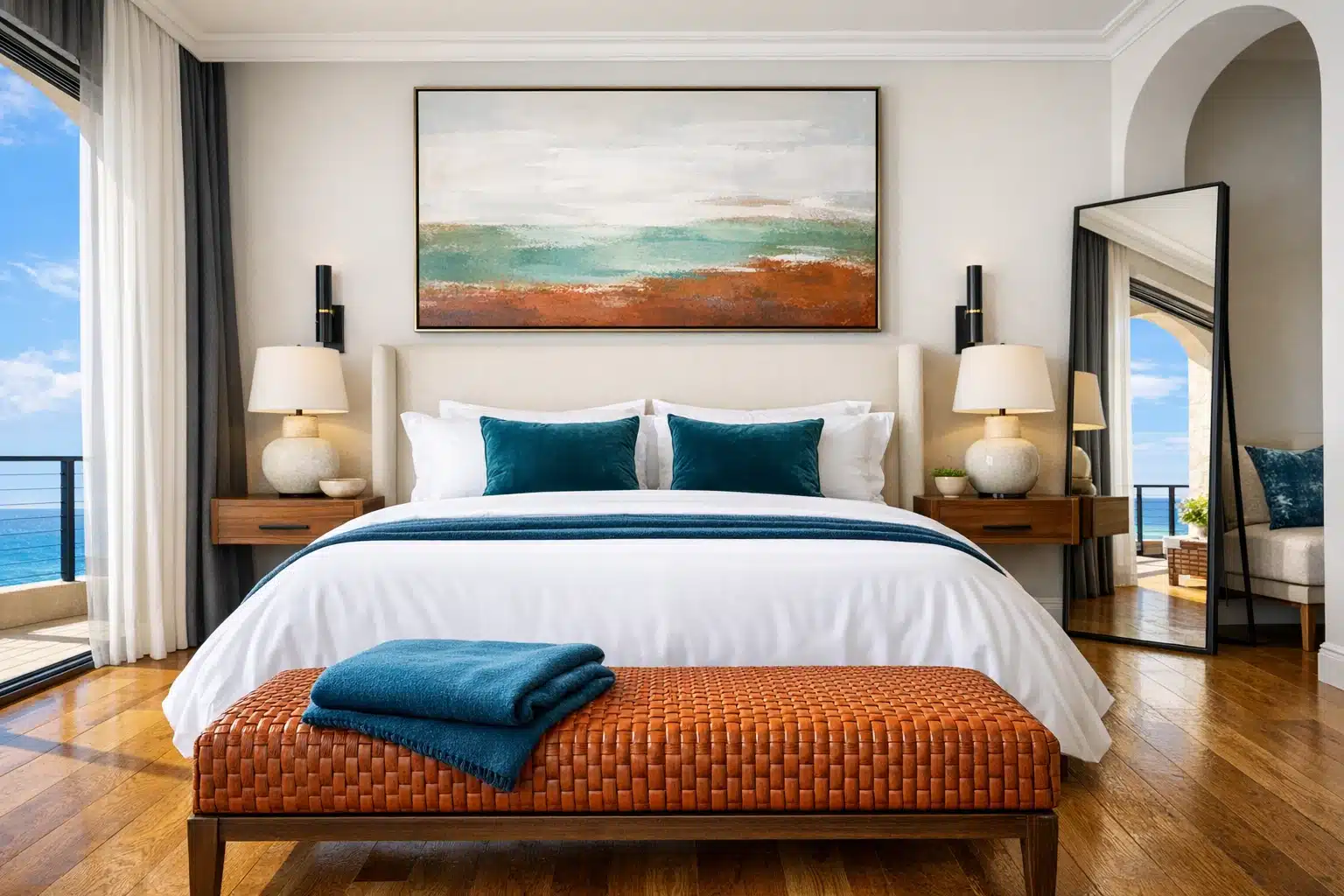
Bedrooms benefit from restraint. Too many decorative objects can interfere with the calm atmosphere the room is meant to encourage. Upholstered headboards, bedside lamps, and art with gentle color relationships usually perform better here than highly stimulating decor. Bedding deserves attention because it dominates the visual field. A simple formula works well: crisp base layers, one quilt or coverlet, a seasonal throw, and pillows in two or three coordinated textures. Compared with bright overhead light, bedside lamps create a far more restful transition into the evening.
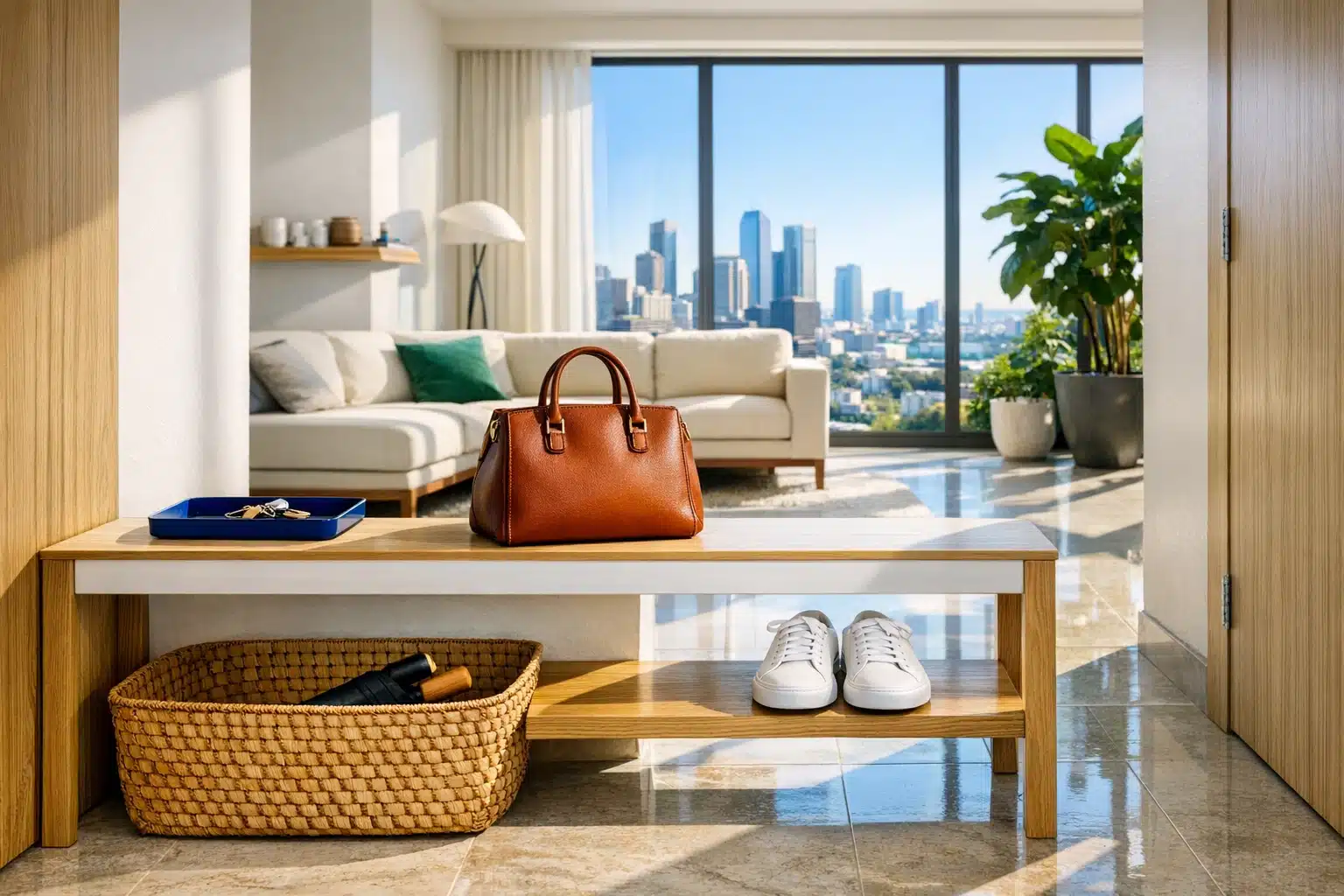
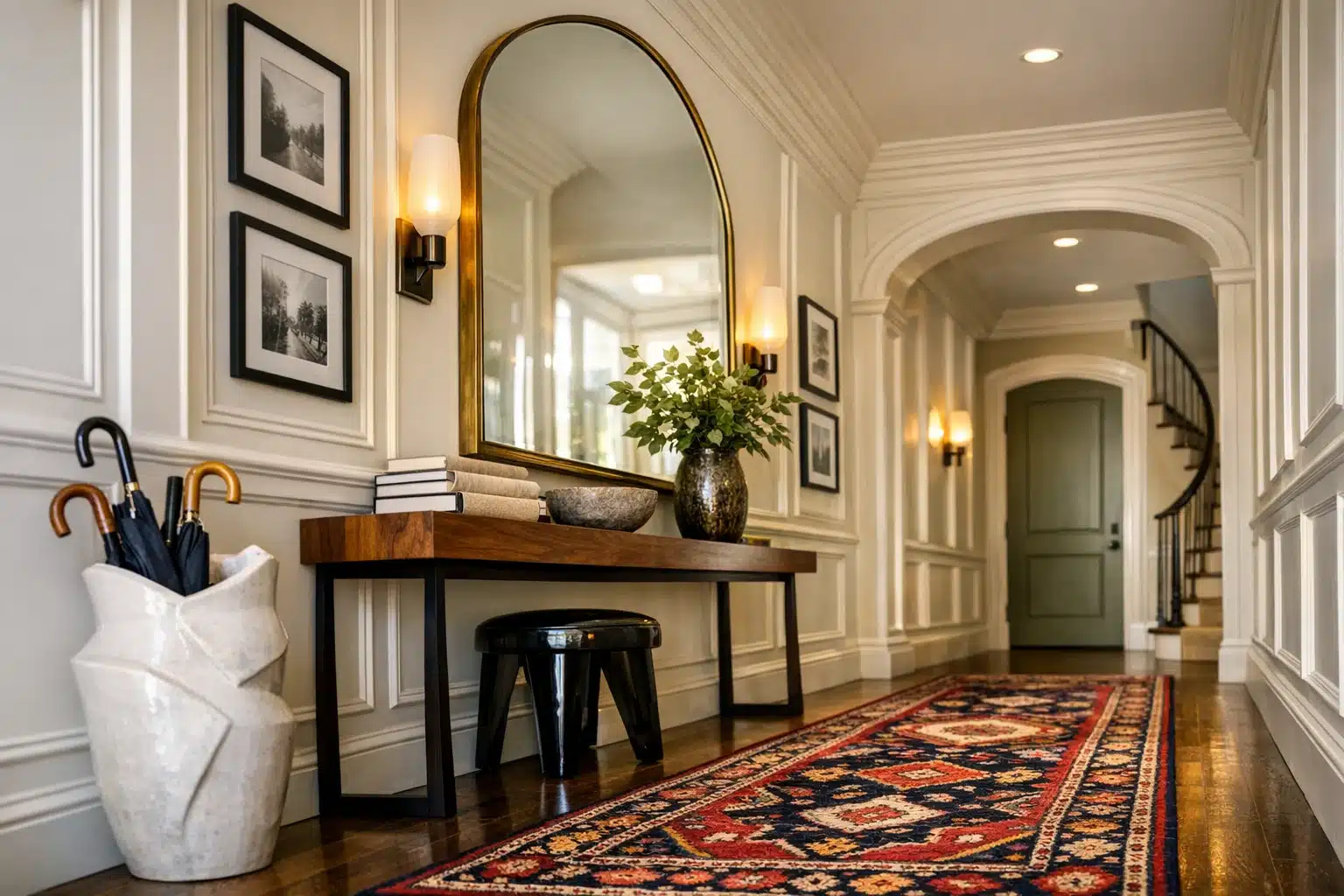
Entryways are often small, but they carry enormous visual influence. A narrow console, wall hooks, a mirror, and a tray can turn a chaotic landing zone into an organized welcome. In dining areas, focus on atmosphere. A pendant light above the table, artwork at eye level, and a rug if the layout allows can make meals feel more intentional. Home offices need another balance entirely. They should encourage concentration without becoming sterile. Shelves, framed prints, and a warm desk lamp can soften a work-focused environment.
For quick reference, room-specific priorities often look like this:
• living room: layout, rug size, layered lighting
• bedroom: bedding, softness, visual quiet
• entryway: storage, mirror, first impression
• dining area: centerpiece, lighting, wall emphasis
• office: function, organization, calm personality
Decorating room by room keeps the process realistic. Instead of trying to finish everything at once, each space can develop around the way it is actually used. That slower approach often leads to better decisions and a home that feels naturally gathered rather than hurriedly assembled.
Conclusion: Decorating for People Who Want a Home That Feels Good to Live In
If you are decorating with real life in mind, the most valuable ideas are rarely the most complicated. A comfortable home usually grows from a few smart principles: clear function, balanced color, thoughtful wall styling, layered light, and materials that add softness and depth. Whether you live in a small apartment, a family house, or a rental that limits major changes, these methods can be adapted without demanding perfection or a large budget.
The key is to make deliberate choices rather than collecting random ones. Start with the rooms you use most, pay attention to scale, and let your walls support the atmosphere instead of remaining an afterthought. Choose decor that serves both mood and daily routine, and allow your home to evolve as your needs change. When design decisions are guided by comfort, usefulness, and personality, the result is more than a stylish interior. It becomes a space that welcomes you back, supports your habits, and quietly improves everyday life.